The fastest way to generate qualified B2B leads today is by aligning data, automation, and personalization around one goal—creating value for your ideal customers before they even talk to sales.
That’s the foundation of effective B2B lead generation. It’s not just about filling your CRM with contacts; it’s about driving meaningful conversations that turn into revenue. In this guide, we’ll break down exactly how that works—the strategy, the technology, and the measurable ROI behind it.
What is B2B Lead Generation?

B2B lead generation is the process of identifying, attracting, and converting business prospects into sales opportunities. Unlike B2C marketing, B2B lead gen focuses on complex buying cycles, multiple decision-makers, and high-value contracts.
The goal is simple: help your sales team spend time on leads that are most likely to buy.
Effective B2B lead generation relies on four key pillars:
Targeting the right accounts and personas
Engaging them with relevant, data-driven content
Automating workflows for scale and speed
Tracking performance to prove ROI
The Strategy: Building a Predictable B2B Pipeline
1. Define Your Ideal Customer Profile (ICP)

Start by analyzing your best customers. Look at firmographics (industry, size, revenue), technographics (tools used), and intent signals (what they’re searching for or reading).
Tools like LinkedIn Sales Navigator, ZoomInfo, or Monad MarTech’s data enrichment engine can help identify lookalike accounts.
2. Create Audience Segments
Not every lead is equal. Segment your database by intent, behavior, and engagement stage.
For example:
Top of Funnel (TOFU): Cold prospects who fit your ICP but haven’t engaged yet.
Middle of Funnel (MOFU): Leads that interacted with your content or visited your site.
Bottom of Funnel (BOFU): Leads that requested a demo or pricing info.
This segmentation lets you send the right message at the right time.
3. Build a Multi-Channel Outreach Plan
Relying on one channel is a mistake. A winning B2B strategy combines:
Email automation: Nurture sequences with tailored value propositions.
LinkedIn outreach: Build relationships through targeted connections.
Paid ads: Retarget website visitors and push them down the funnel.
Content syndication: Distribute thought-leadership content to reach niche audiences.
With tools like HubSpot, Marketo, or Monad’s B2B lead gen automation suite, you can orchestrate all these activities in sync.
The Technology: Automating Lead Generation and Qualification
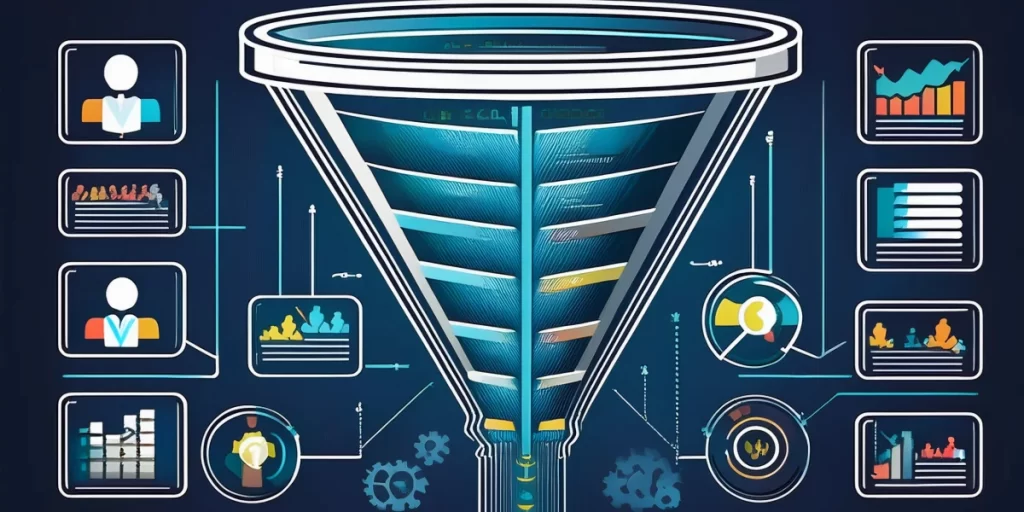
Modern B2B lead generation runs on automation and data intelligence.
Here’s how tech improves each stage of the funnel:
1. Data Enrichment and Validation
Bad data costs time and reputation. Use enrichment tools to verify contact details, job titles, and company info before outreach. Monad MarTech’s Data-as-a-Service (DaaS) layer ensures you only engage with accurate, GDPR-compliant data.
2. AI-Powered Lead Scoring
AI models analyze behavior patterns and assign scores based on conversion likelihood.
This helps sales teams focus only on high-intent accounts.
Example scoring inputs:
Email click or content download
Website visit frequency
Job seniority or decision-making role
3. Marketing Automation
Automation platforms trigger timely emails, retargeting ads, or SDR notifications when a lead crosses a certain engagement threshold. This keeps the buyer journey fluid without manual follow-ups.
4. CRM and Sales Intelligence Integration
Syncing your CRM with automation and analytics tools gives complete visibility — from first touchpoint to closed deal.
Tech stack examples:
CRM: Salesforce, HubSpot
Analytics: Google Analytics, Tableau
Automation: Monad MarTech, ActiveCampaign
The Personalization Factor: Turning Data into Conversations
Here’s the thing: no matter how advanced your tech stack is, leads won’t convert unless they feel understood. Personalization is what bridges that gap.
1. Personalize by Account and Intent
Use first-party data and website tracking to tailor messaging. If an account visits your “Pricing” or “Integration” page, they’re likely in a decision phase — serve them a case study or ROI calculator, not a top-funnel eBook.
2. Customize Email and Ad Content
Even small tweaks make a big difference. Change subject lines, CTAs, and visuals to match industry pain points.
Example:
“Boost your MQL-to-SQL rate” for SaaS
“Automate client onboarding” for professional services
Monad’s hyper-personalization engine helps deliver these at scale — across email, ads, and content syndication.
Measuring ROI: What Success Actually Looks Like
The success of B2B lead generation isn’t just about volume — it’s about quality and efficiency.
Key Metrics to Track:
Cost per Lead (CPL)
Lead-to-Opportunity Conversion Rate
Pipeline Velocity
Customer Acquisition Cost (CAC)
Return on Marketing Investment (ROMI)
Automation and AI-driven targeting reduce CPL and increase conversion rates by focusing only on the most relevant accounts.
Why Partner with a Tech-Driven B2B Lead Gen Agency
Most companies struggle with one of three things: poor data, lack of automation, or inconsistent outreach. Partnering with a tech-driven agency like Monad MarTech helps you fix all three.
Monad combines data intelligence, AI automation, and multi-channel delivery to help B2B brands scale their pipeline predictably. Whether your goal is generating MQLs, SQLs, or appointment-ready HQLs—the focus stays on outcomes, not activity.
Final Thoughts
B2B lead generation isn’t guesswork anymore. It’s a measurable, automated system that blends data, personalization, and human insight.
The key is alignment—between your strategy, your tools, and your customer’s actual needs. Once that’s in place, your pipeline becomes predictable, your outreach becomes meaningful, and your marketing becomes measurable.
That’s the kind of growth Monad MarTech helps B2B companies achieve every day.